Axis Shim / Spacer Kit
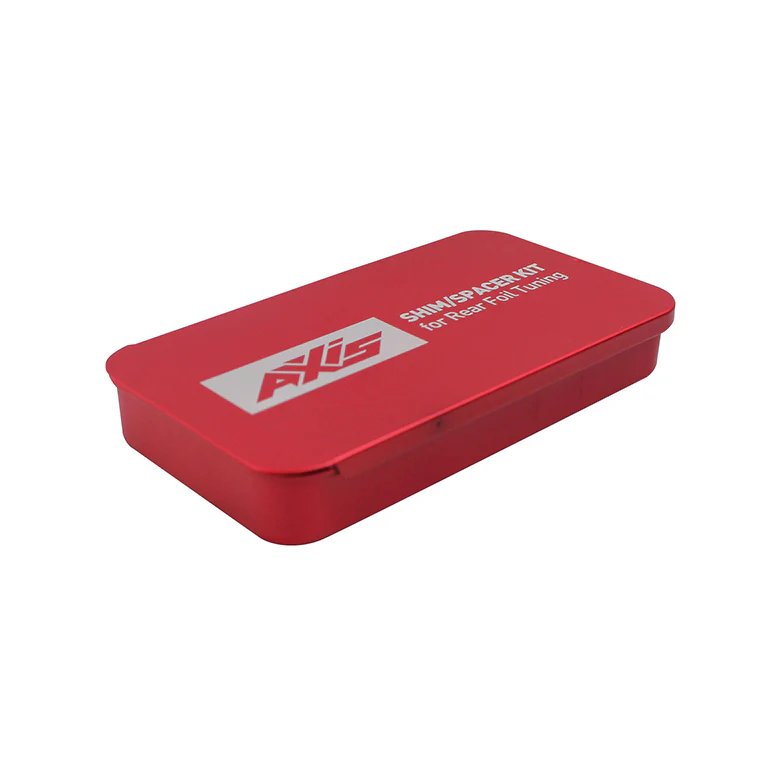
Shim Sets for all AXIS Rear Wings
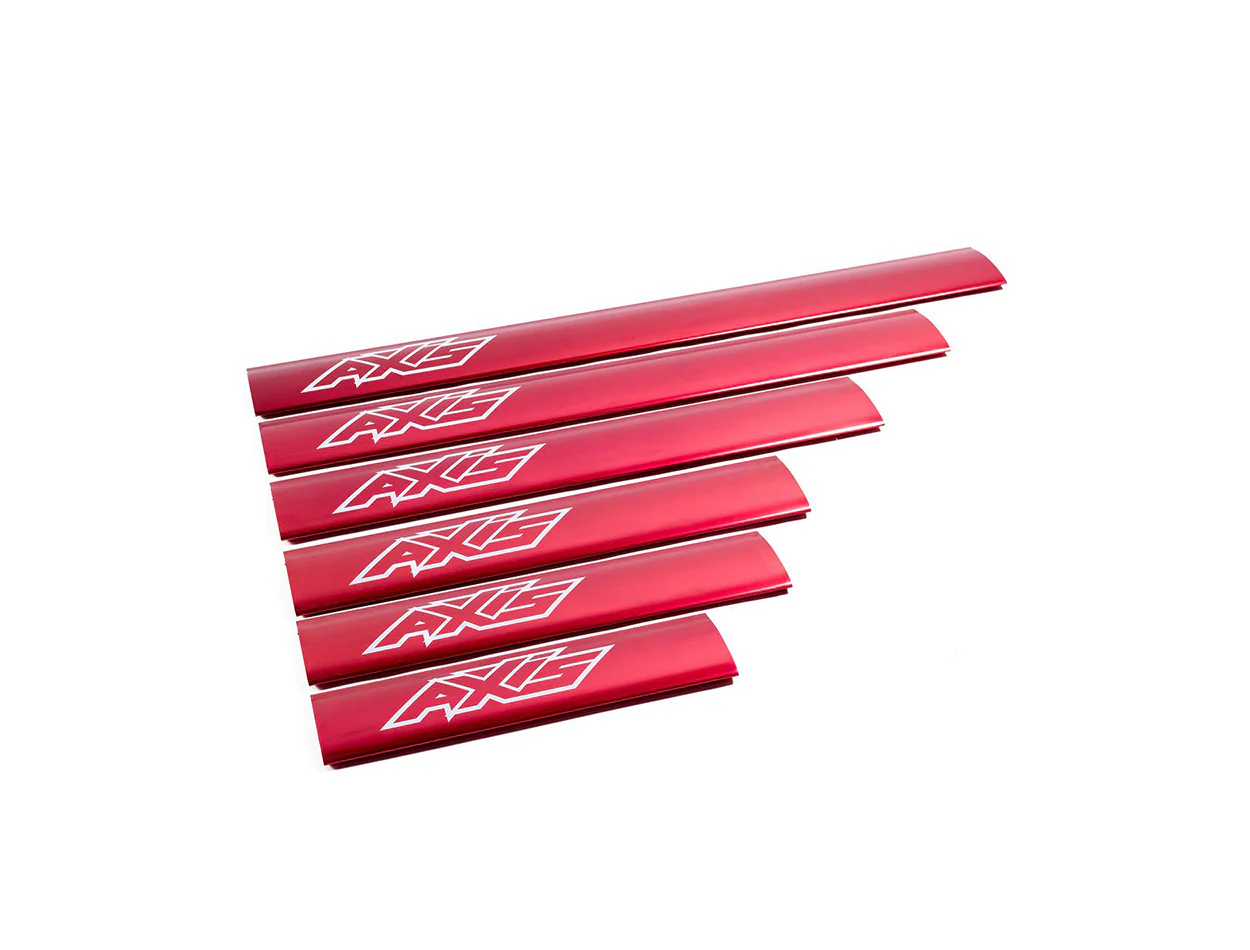
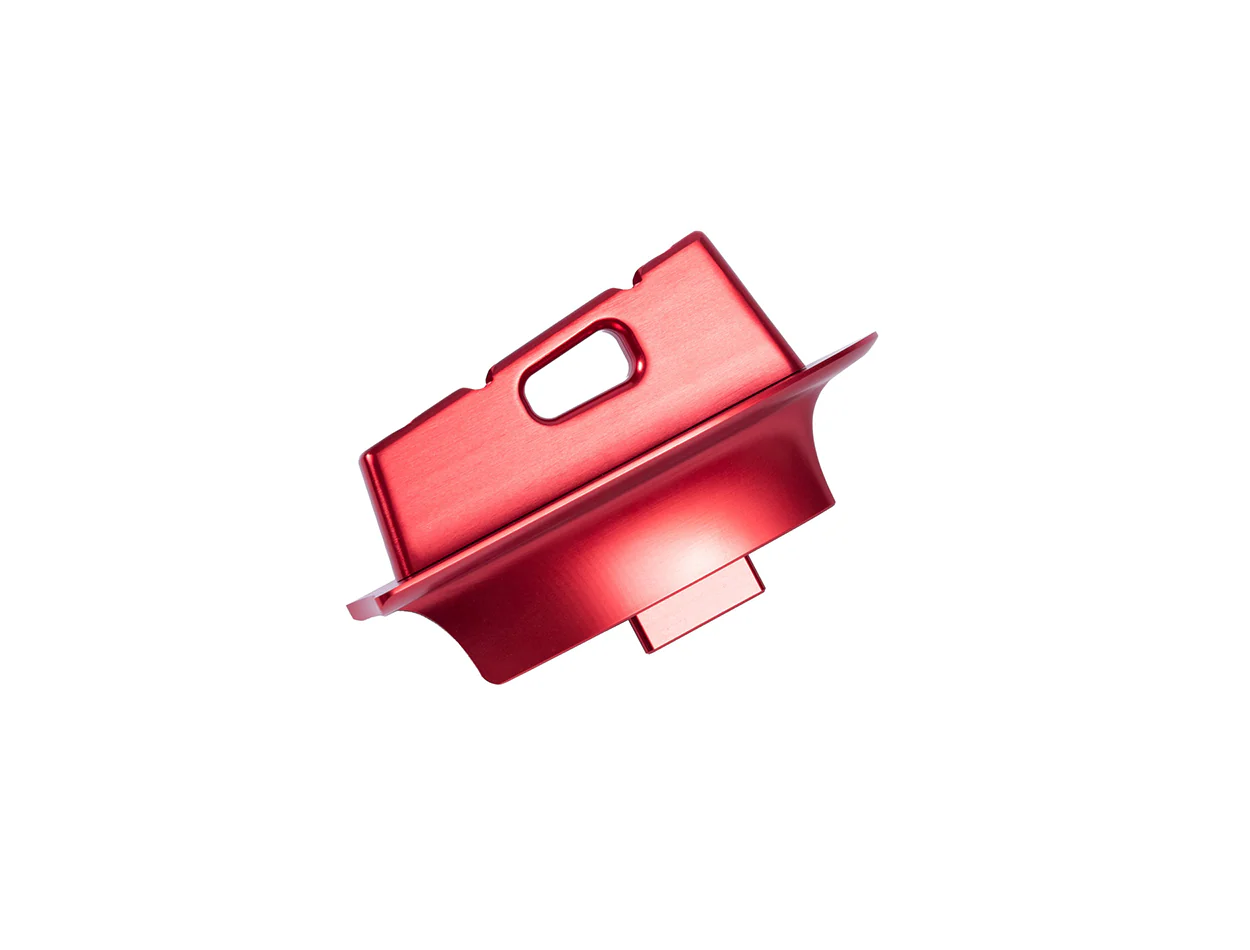
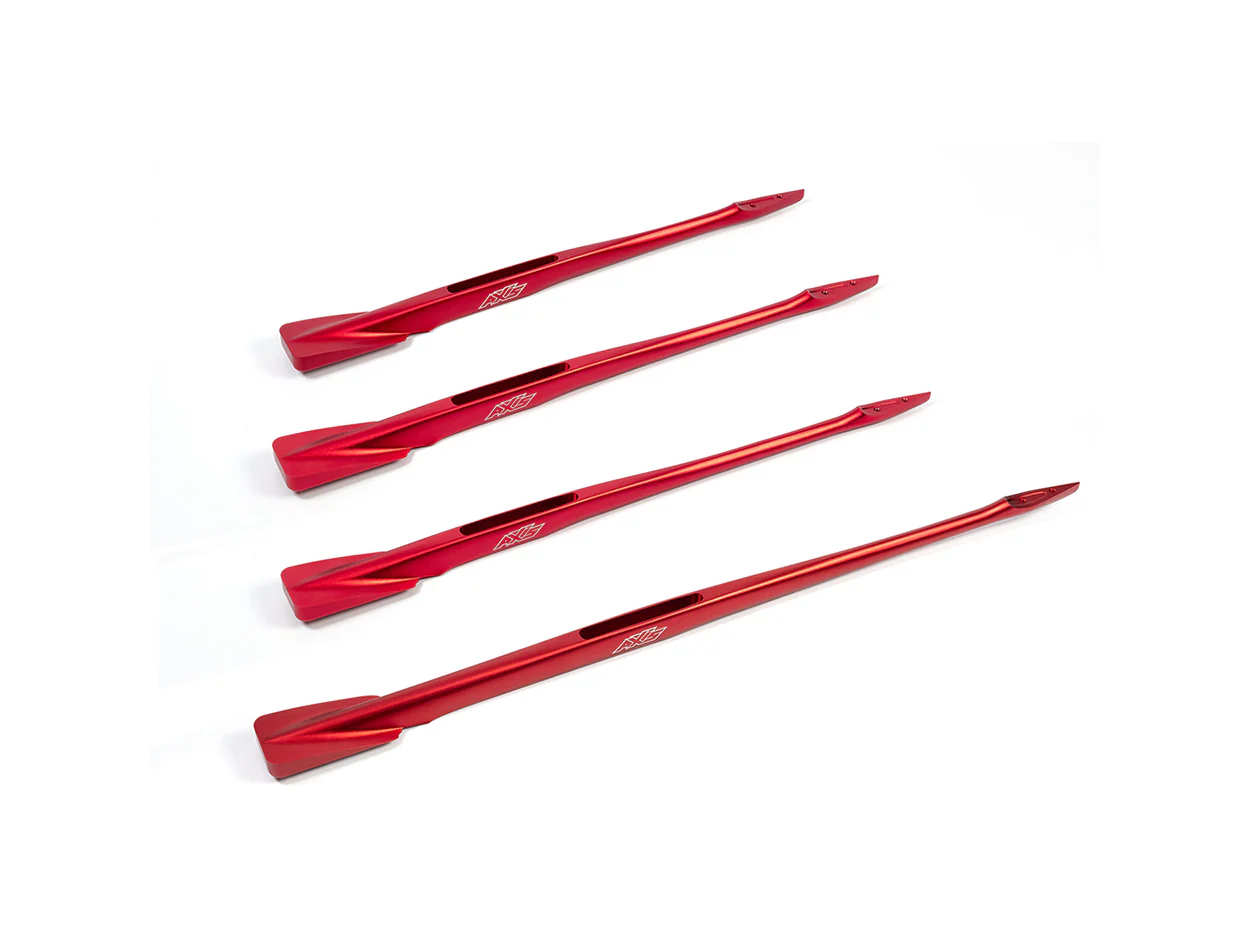
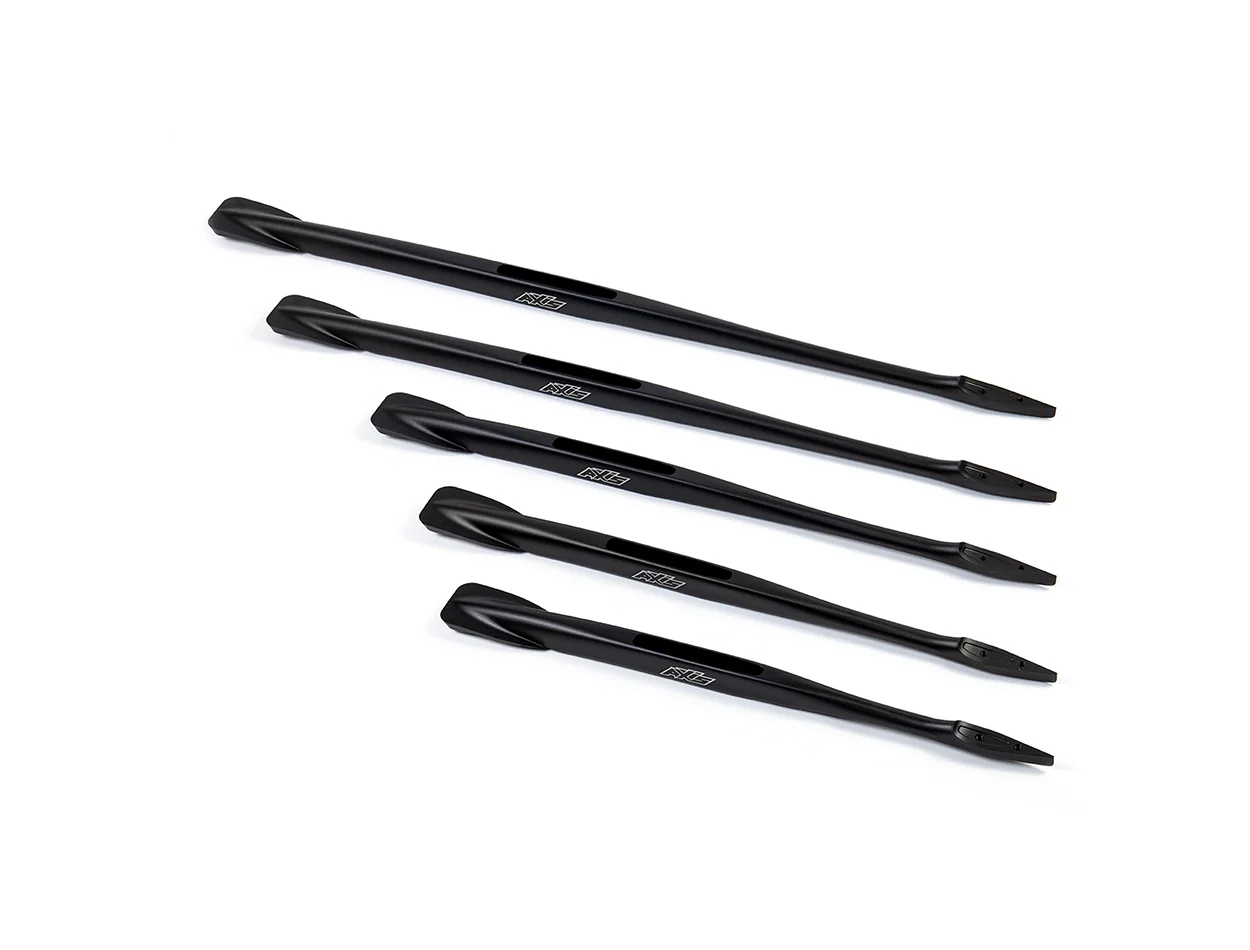
6 Shims are included, 3 Positive (+0.25, + 0.5, +1.0) and 3 x negative (-0.25, - 0.5, -1.0), these can be stacked to achieve a variety of angles.
'Adding a Positive shim (we call it positive because it is increasing the angle between front and back wing, usually achieved by lifting the back of rear wing) is useful for heavier riders to provide more front foot pressure, can have a slowing effect.
Adding a Negative shim (we call it negative because it is decreasing the angle between front and back wing, usually achieved by lifting the front of rear wing) is useful for lighter riders as it reduces the front foot pressure and can be faster.'
Original: $66.61
-65%$66.61
$23.31More Images


Axis Shim / Spacer Kit
Shim Sets for all AXIS Rear Wings
6 Shims are included, 3 Positive (+0.25, + 0.5, +1.0) and 3 x negative (-0.25, - 0.5, -1.0), these can be stacked to achieve a variety of angles.
'Adding a Positive shim (we call it positive because it is increasing the angle between front and back wing, usually achieved by lifting the back of rear wing) is useful for heavier riders to provide more front foot pressure, can have a slowing effect.
Adding a Negative shim (we call it negative because it is decreasing the angle between front and back wing, usually achieved by lifting the front of rear wing) is useful for lighter riders as it reduces the front foot pressure and can be faster.'
Product Information
Product Information
Shipping & Returns
Shipping & Returns
Description
Shim Sets for all AXIS Rear Wings
6 Shims are included, 3 Positive (+0.25, + 0.5, +1.0) and 3 x negative (-0.25, - 0.5, -1.0), these can be stacked to achieve a variety of angles.
'Adding a Positive shim (we call it positive because it is increasing the angle between front and back wing, usually achieved by lifting the back of rear wing) is useful for heavier riders to provide more front foot pressure, can have a slowing effect.
Adding a Negative shim (we call it negative because it is decreasing the angle between front and back wing, usually achieved by lifting the front of rear wing) is useful for lighter riders as it reduces the front foot pressure and can be faster.'